

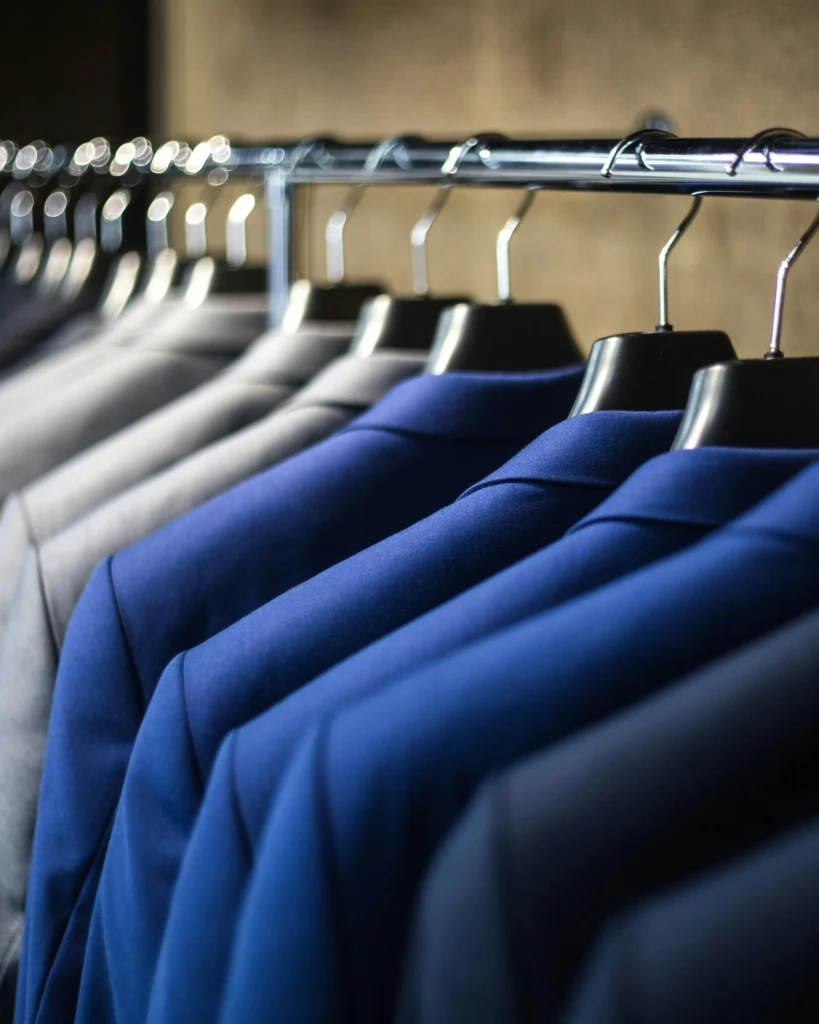
Before a word is spoken in a meeting or an email is sent, your workplace already communicates something. Office apparel plays a quiet but powerful role in shaping how a company is perceived. It influences trust, professionalism, and belonging without drawing attention to itself.
In modern workplace environments, apparel is no longer just about dress codes. It is about identity.
First Impressions Begin Before Conversations
When clients visit an office or attend a company event, visual cues are processed instantly. Clean, consistent office apparel sends a signal of structure and reliability. Disorganized or poorly thought out clothing choices suggest the opposite.
Workplace perception is built subconsciously. Apparel is part of that foundation.
Apparel Reflects Workplace Culture
Every workplace has a culture, whether intentional or not. Office apparel reflects how a company views itself and its people.
Relaxed environments often prefer comfortable, minimal clothing that encourages ease and creativity. Formal workplaces choose structured apparel to communicate authority and trust. Neither approach is right or wrong. What matters is alignment.
When apparel matches internal culture, employees feel more comfortable representing the brand.
Building Team Identity Through Apparel
One of the most overlooked aspects of workplace apparel is unity. When teams wear coordinated clothing during events, onboarding, or external interactions, a sense of belonging is created naturally.
This does not mean everyone needs to look identical every day. It means there is a shared visual language when it matters.
Workplace identity strengthens when people feel part of something larger than themselves.
Comfort Impacts Performance More Than Expected
Uncomfortable apparel distracts. Tight fits, heavy fabrics, or poor breathability affect focus throughout the day. Over time, this discomfort shapes how employees feel about their workplace environment.
Modern companies understand that comfort and professionalism are not opposites. Thoughtfully chosen apparel supports productivity without compromising appearance.
Workplace performance is influenced by small daily experiences.
Office Apparel and Employer Branding
Employer branding is not limited to social media posts and career pages. Office apparel plays a direct role in how employees represent the company outside the office.
When employees feel confident wearing their work apparel, they naturally become brand advocates. When they feel awkward or uncomfortable, apparel becomes something they avoid.
Workplace branding works best when it feels authentic rather than forced.
Consistency Builds Trust Externally
Consistency in visual identity builds trust with clients and partners. Office apparel that aligns with brand colors, values, and tone creates a cohesive experience.
This consistency matters during meetings, exhibitions, conferences, and offsites. It signals attention to detail and professionalism without requiring explanation.
Strong workplace presentation reduces friction in professional interactions.
Apparel as a Silent Leadership Tool
Leaders influence culture through behavior and decisions. Apparel choices are part of this influence.
When leadership adopts apparel that reflects approachability, clarity, and respect for the team, it sets a standard. Employees take cues from what leaders wear and how they present themselves.
Workplace leadership is often communicated silently.
Avoiding Common Workplace Apparel Mistakes
Many companies treat office apparel as an afterthought. Cheap fabrics, poor fits, and excessive branding are common mistakes.
Short term cost savings often lead to long term dissatisfaction. Apparel that deteriorates quickly damages brand perception internally and externally.
Thoughtful decisions create lasting value.
Why Workplace Apparel Deserves Attention
Office apparel is not about fashion trends. It is about function, identity, and representation.
Companies that invest time in understanding how apparel affects culture build stronger teams. Employees feel respected when their comfort and appearance are considered. Clients feel reassured when visual identity aligns with professionalism.
Workplace success is built on alignment. Apparel is part of that alignment.
Final Thoughts
What your office apparel says about your company depends on intention. When chosen thoughtfully, it reinforces values, builds unity, and strengthens trust. When ignored, it sends mixed signals.
Workplace culture is shaped by everyday choices. Apparel is one of them.
Keywords:
[workplace apparel, corporate culture, office wear, team identity, employer branding]