

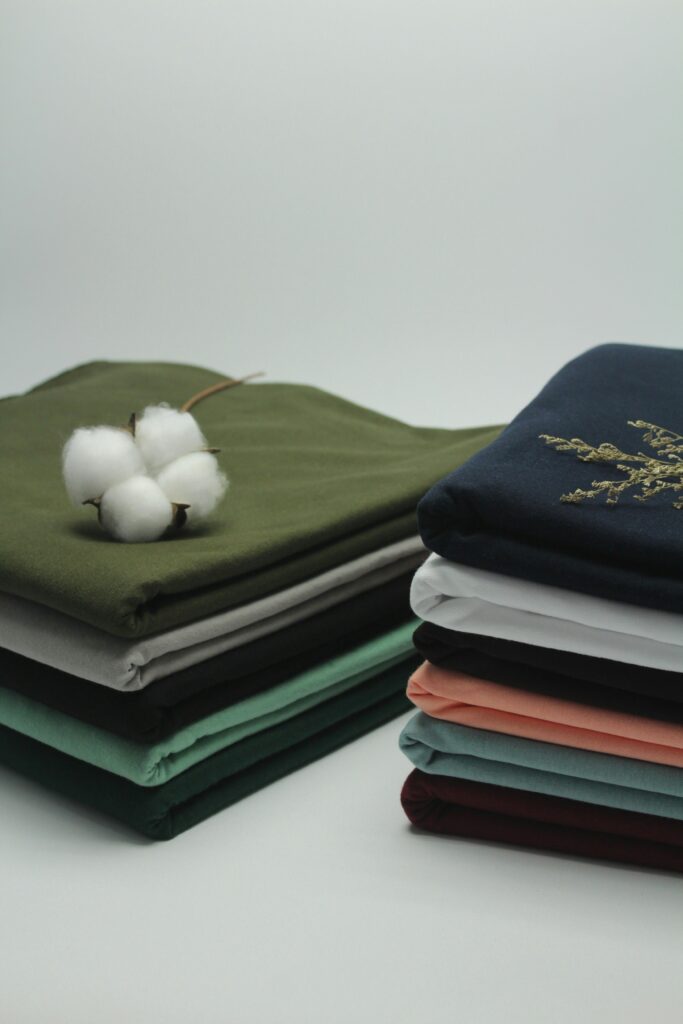
Cotton is everywhere. T shirts, polos, shirts, sweatshirts, and even premium apparel all use cotton in some form. Yet most people never ask the most important question. What kind of cotton is actually being used?
Not all cotton behaves the same. The way cotton is grown, processed, and spun directly affects comfort, durability, price, and environmental impact. Understanding these differences helps you buy better clothing instead of relying on vague labels.
This guide breaks down organic cotton, normal cotton, Supima cotton, and even Suvin cotton in simple terms, backed by real data.
Normal Cotton What You Are Probably Wearing Today
Normal cotton, also called conventional cotton, accounts for nearly ninety percent of global cotton production.
It is grown using chemical fertilizers, insecticides, and pesticides. According to the World Wildlife Fund, conventional cotton farming uses approximately sixteen percent of the world’s insecticides despite occupying less than three percent of global farmland.
From a wear perspective, normal cotton can feel comfortable initially. However, chemical intensive farming weakens fiber structure over time. This often results in faster pilling, fabric thinning, and reduced softness after repeated washes.
It is affordable and easy to scale, which is why most mass produced apparel uses it.
Organic Cotton How It Is Fundamentally Different
Organic cotton is grown without synthetic chemicals and genetically modified seeds. Farming relies on crop rotation, natural pest control, and rainwater management.
According to Textile Exchange, organic cotton farming uses up to ninety one percent less blue water compared to conventional cotton. It also reduces soil degradation and chemical runoff into nearby water bodies.
For the wearer, organic cotton fibers remain stronger because they are not exposed to harsh chemicals during cultivation. This often results in softer hand feel, better breathability, and longer garment life.
Organic cotton is especially suitable for apparel worn for long hours, such as office wear, college wear, and daily basics.
Supima Cotton What Makes It Premium
Supima cotton is a trademarked variety of extra long staple cotton grown primarily in the United States. The fibers are approximately thirty five percent longer than regular cotton fibers.
Longer fibers allow yarns to be spun smoother and stronger. This reduces pilling and increases color retention. Supima garments maintain their appearance even after repeated washing.
Because of controlled farming, limited acreage, and certification requirements, Supima cotton is significantly more expensive. It is commonly used in luxury polos, premium shirts, and high end basics.
Supima cotton is about refinement and durability rather than sustainability.
Bonus What Is Suvin Cotton and Why It Is Rare
Suvin cotton is one of the rarest cotton varieties in the world and is grown in limited regions of India. It is a hybrid of Egyptian cotton and Indian cotton varieties.
Suvin fibers are extremely long and fine, making them ideal for luxury shirting. Due to low yield and high cultivation complexity, Suvin cotton production is very limited.
This makes it impractical for bulk apparel or merchandise, but it remains highly valued in bespoke and luxury textile markets.
Comparing Comfort Durability and Cost
Comfort depends on breathability and fiber softness. Organic cotton and Supima cotton perform better here than normal cotton.
Durability depends on fiber length and processing. Supima leads in longevity, followed by organic cotton.
Cost depends on farming method and scale. Normal cotton is the cheapest. Organic cotton costs more due to lower yield and certification. Supima and Suvin are premium due to rarity and quality.
There is no universally best cotton. The right choice depends on usage.
Environmental Impact Matters More Than Marketing
Cotton production is water intensive. Conventional cotton can require over twenty thousand liters of water to produce one kilogram of cotton lint. Organic cotton relies more on rain fed systems, reducing pressure on freshwater sources.
Chemical runoff from conventional farming affects soil health and nearby ecosystems. Organic farming improves biodiversity and soil regeneration.
Sustainability is not about perfection. It is about reducing harm while maintaining usability.
Choosing the Right Cotton for Everyday Apparel
For daily wear, events, uniforms, and merchandise, organic cotton offers the best balance. It provides comfort, durability, and lower environmental impact without the extreme costs of luxury cotton varieties.
Supima cotton suits premium retail apparel where long term appearance matters most. Normal cotton suits cost driven production but compromises longevity.
Understanding this difference prevents overpaying or underestimating quality.
Final Thoughts
Cotton quality shapes how clothing feels, ages, and impacts the environment. Labels alone do not tell the full story. Knowing the source and structure of cotton empowers better decisions.
If you are looking for organic cotton apparel that balances quality and accessibility, UniWardrobe offers organic cotton products with minimum order quantities starting from just one piece, making better choices easier without forcing bulk commitments.
Keywords:
[organic cotton, normal cotton, Supima cotton, Suvin cotton, cotton fabric, sustainable cotton]